Desert Dental Anesthesia
Your Premier Mobile Anesthesia Partner in Arizona
Desert Dental Anesthesia is dedicated to providing safe and reliable mobile anesthesia services for dental procedures across Arizona. With over 14 years of experience, we cater to patients of all ages, including those with special needs, making every dental visit a comfortable and stress-free experience.

About Desert Dental Anesthesia
Your Comfort and Safety Are Our Priorities
At Desert Dental Anesthesia, we are committed to delivering exceptional anesthesia services designed to meet the unique needs of every dental patient. Dr. Lisa Gortari, owner and founder of Desert Dental Anesthesia is a board certified dentist anesthesiologist dedicated to providing safe, compassionate, and personalized care for her patients. She has over 14 years of experience working with patients who experience dental anxiety, have special healthcare needs, or require extensive dental treatment. She has extensive experience working with pediatric patients, including children with ADHD, autism, and special healthcare needs. Dr. Gortari is known for providing thorough, comprehensive care. She believes that open communication with the dental team and patients and parents helps to ensure the patients receive a high level of care. Her dedication allows the dental team to focus on the dental work while she ensures the comfort and safety of the patient.
About Dr. Lisa Gortari
Dr. Lisa Gortari grew up in Winnemucca, Nevada. She attended the University of Nevada, Reno earning a Bachelor of Science on a full academic scholarship; she was awarded the Silver Scholar award during her graduation as the top student in the College of Human and Community Sciences. She also gained invaluable research experience and was awarded a grant to work in an Organic Chemistry research lab. Dr. Gortari earned her DDS from Loma Linda University in 2010. She was awarded the clinical excellence award, and a Gold award for top 10% nationally on both of her national boards. She completed her Anesthsiology Residency at Loma Linda University. Dr. Gortari is a member of the American Dental Board of Anesthesiology, American Society of Dentist Anesthesiologists, American Dental Society of Anesthesiologists, serving as secretary of the local Arizona chapter, and the The Arizona Dental Association. Dr. Gortari provided mobile anesthesia services for 10 years in Rio Grande Valley of Texas, working with all dental specialties, and dedicating a large portion of her practice to providing anesthesia for patient with special healthcare needs. Dr. Gortari has been providing anesthesia since 2022 in Arizona. She recently started her own independent practice, allowing her direct involvement in all aspects of the anesthesia care.
Dr. Gortari met Dr. Damien Garcia at Loma Linda University, they share 3 children together. They are very busy with sports, dance, and school. The family enjoys traveling and experiencing new places together.

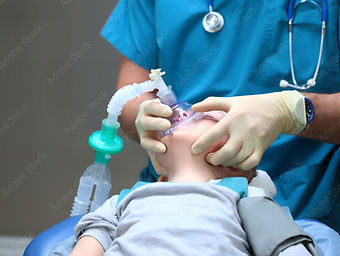

Sedation Services
Tailored Anesthesia Solutions for Dental Care
Pre and Postoperative Care
Your comfort and safety are our top priority. Dr. Gortari will always be directly involved with all aspects of the anesthesia.
Before Anesthesia: At the time of scheduling Dr. Gortari will receive your registration sheet including medical history. This information is carefully reviewed. Dr. Gortari will request any additional information needed from your physicians when necessary. It is important to have an accurate medical history, including a detailed list of all medications and dosages. With this information, Dr. Gortari can ensure a safe anesthesia plan with the patient, parents, and dental team. You will receive personalized instructions regarding fasting, medications, arrival time, and what to expect on the day of treatment. Please follow these instructions carefully. Please notify Dr. Gortari of any changes in health, medications, allergies, or recent illnesses before the procedure. A responsible adult must accompany every patient home after anesthesia.
After Anesthesia: After treatment, the patient will be closely monitored until it is safe to go home. Some sleepiness, grogginess, dizziness, or mild nausea may occur as the anesthesia wears off. Once home, the patient should rest and remain under adult supervision. Our team will provide clear post-operative instructions and is available to answer questions or address concerns during recovery.
IV Sedation
IV sedation uses medication given through an IV to help you feel deeply relaxed and comfortable during dental treatment. The medication works quickly and allows the anesthesia provider to adjust the level of sedation throughout the procedure. Patients are typically very drowsy and relaxed and may have little or no memory of the treatment. Local anesthetic is also used by the dentist to numb the areas being treated and provide pain control. Throughout the procedure, your anesthesia provider continuously monitors your breathing, oxygen levels, heart rate, blood pressure, and other vital signs. After treatment, you will be monitored during recovery until you are ready to go home. IV sedation can be especially helpful for patients with dental anxiety, special healthcare needs, difficulty tolerating dental treatment, or extensive dental treatment needs.
General Anesthesia
General anesthesia allows a patient to be completely asleep and unaware during dental treatment. It is administered and carefully monitored by an anesthesia provider who remains with the patient throughout the entire procedure. Before treatment begins, medications are given to safely induce anesthesia. Once the patient is asleep, the anesthesia provider continuously monitors breathing, oxygen levels, heart rate, blood pressure, and other vital signs while maintaining the appropriate level of anesthesia. General anesthesia can be especially helpful for young children, patients with special healthcare needs, patients with severe dental anxiety, those who are unable to tolerate dental treatment while awake, or patients requiring extensive dental treatment. After the procedure, the patient is monitored closely during recovery until they are awake and stable enough to go home. Because the effects of anesthesia can continue after discharge, a responsible adult must accompany the patient home and follow all post-anesthesia instructions.
Pediatric General Anesthesia
For some children, completing dental treatment while awake can be challenging or overwhelming. General anesthesia allows your child to be completely asleep and unaware during dental treatment, helping create a calm and controlled experience while allowing the dental team to complete the necessary care. General anesthesia may be recommended for children who are very young, have significant dental anxiety, have special healthcare needs, have difficulty cooperating with dental treatment, or require extensive dental care. Your child's anesthesia is provided by a dentist anesthesiologist who is specially trained to provide anesthesia and care for patients undergoing dental procedures. Before treatment, your child's health history and individual needs are carefully reviewed to develop an appropriate anesthesia plan. During the procedure, your child is continuously monitored by the anesthesia provider. Breathing, oxygen levels, heart rate, blood pressure, and other vital signs are closely monitored throughout anesthesia. The depth of anesthesia is carefully managed and adjusted as needed throughout treatment. Once the dental procedure is complete, your child will be monitored closely during recovery until they are sufficiently awake and stable to go home. Because children may remain sleepy or experience temporary effects from anesthesia after the procedure, a parent or responsible adult will need to remain with them and follow all post-anesthesia instructions. Our goal is to provide safe, compassionate, personalized anesthesia care while helping children receive the dental treatment they need in a comfortable and supportive environment.

Our Patients
-Toddlers and children with serious dental problems requiring extensive restorative work that otherwise would require multiple appointments and be distressing to the child
- Individuals with dental phobia
- Patients undergoing oral surgery or extensive, invasive dental care
- Children and adults on the autism spectrum
- Individuals with developmental disabilities who may struggle with instructions
- Patients with Alzheimer’s disease or other forms of dementia
- Individuals with Parkinson’s disease, cerebral palsy, or other conditions affecting motor function
- Patients with psychiatric conditions such as psychosis, schizophrenia, or bipolar disorder
Affiliations